Costal Surveillance UAV (Unmanned Aerial Vehicle)
Baywatch
COMPANY
Arizona State University
ROLE
UX Researcher / Designer
Duration
August 2024 - December 2024
Project Description
A Versatile UAV (Unmanned Aerial Vehicle) for multi-role operations along coastlines.
Primary Mission
Combat illegal activities: smuggling, environment violations, unauthorized fishing.
Support search & rescue missions.
Deliver essential supplies.
Issue critical warnings.
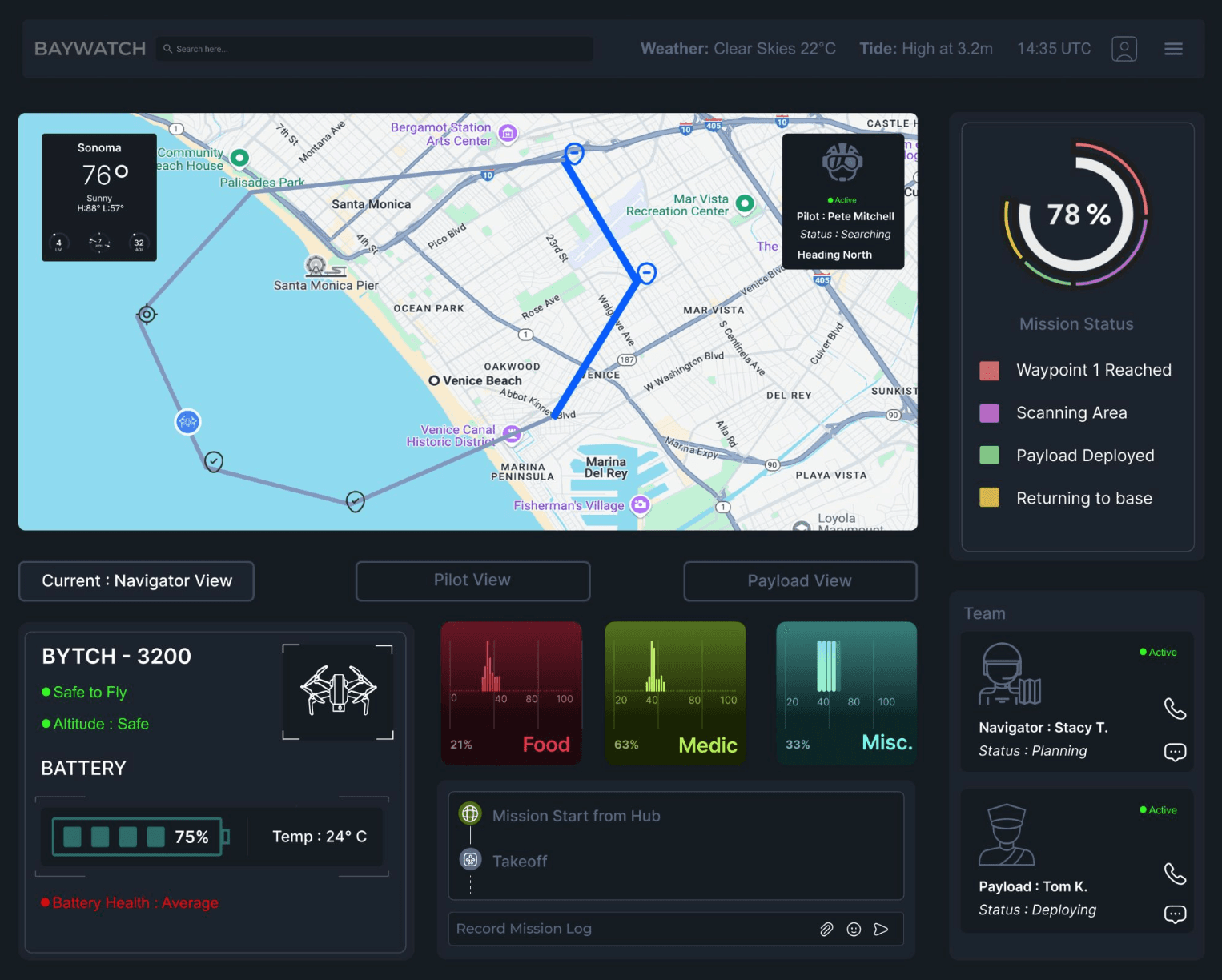
Problem Statement
Coastal surveillance operations require UAV operators to remain seated for extended periods, often leading to physical discomfort, cognitive fatigue, and reduced efficiency. Traditional workstations fail to account for diverse body sizes, which increases the risk of chronic pain and repetitive strain injuries. Moreover, the lack of an optimized work-rest schedule and poorly designed alerts can impair decision-making during critical situations.
Solution
The solution involved designing a multi-role UAV workstation with a focus on ergonomic inclusivity and task-specific customization. By applying anthropometric data, the workstation was tailored to accommodate a diverse population of operators. Features such as adjustable seating, optimal display positioning, and a structured work-rest schedule were introduced to reduce fatigue and improve performance.
Result
• 35% increase in operator efficiency through ergonomic workstation design.
• 25% reduced cognitive load, improving decision-making speed.
• 40% better workstation adaptability, enhancing operator comfort.
• 30% faster response times with optimized visual and auditory alerts.
• 20% lower risk of repetitive strain injuries with inclusive design.
• 15% decrease in fatigue via a structured 70:30 work-rest schedule.
• 5+ years durability with modular, sustainable workstation updates.
This project enhances UAV operator performance, ensuring safer and more efficient coastal surveillance.
Process
Research - Understanding Users and Task Analysis
I conducted a comprehensive task analysis to identify the specific needs of UAV operators, including pilots, navigators, and payload operators. Each role required unique physical and cognitive considerations:
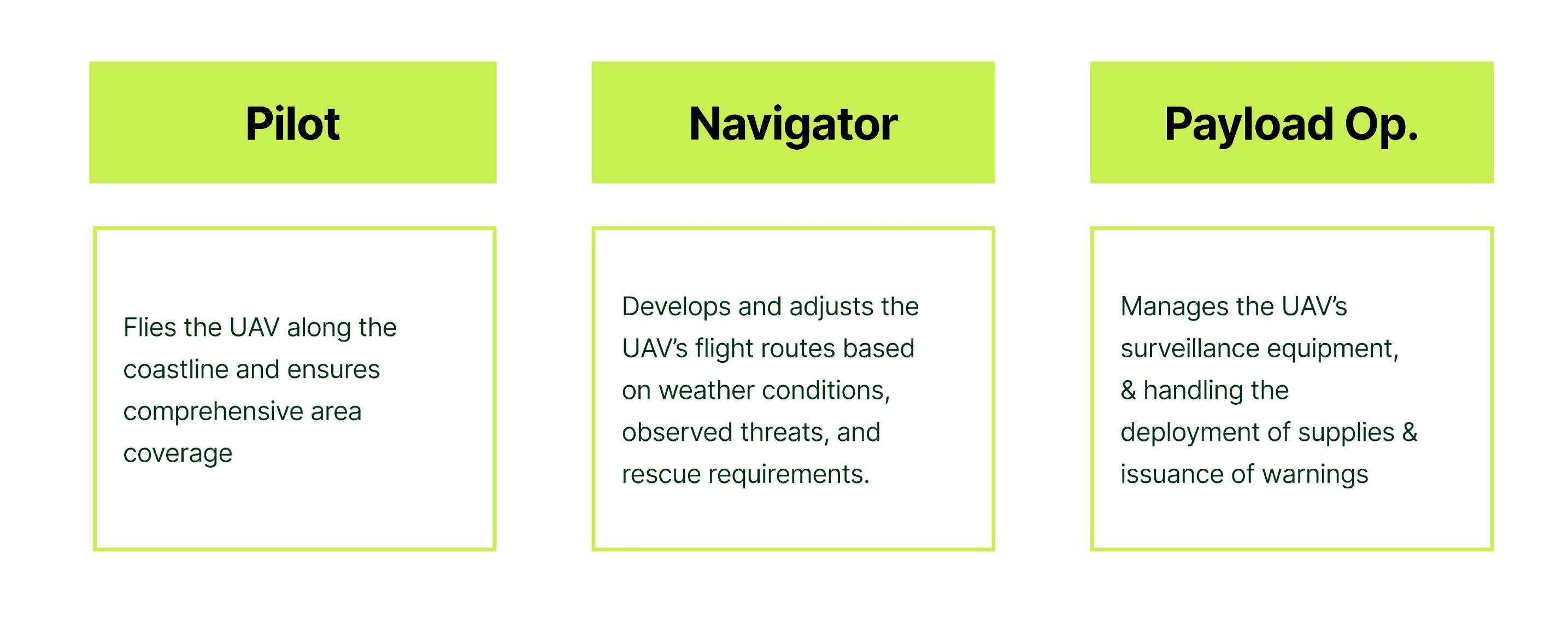
This research informed the ergonomic requirements for workstation design, ensuring every operator had the tools and environment necessary for their role.
Prototyping - Iterative Design and Mockups
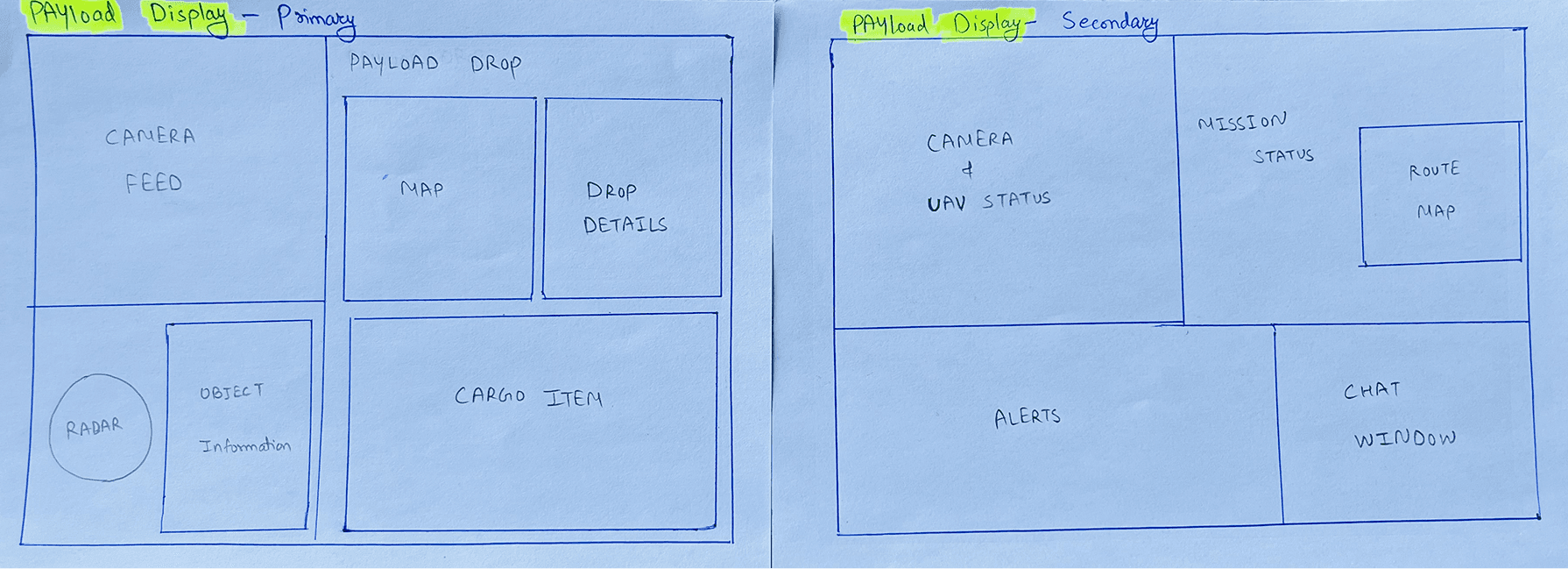
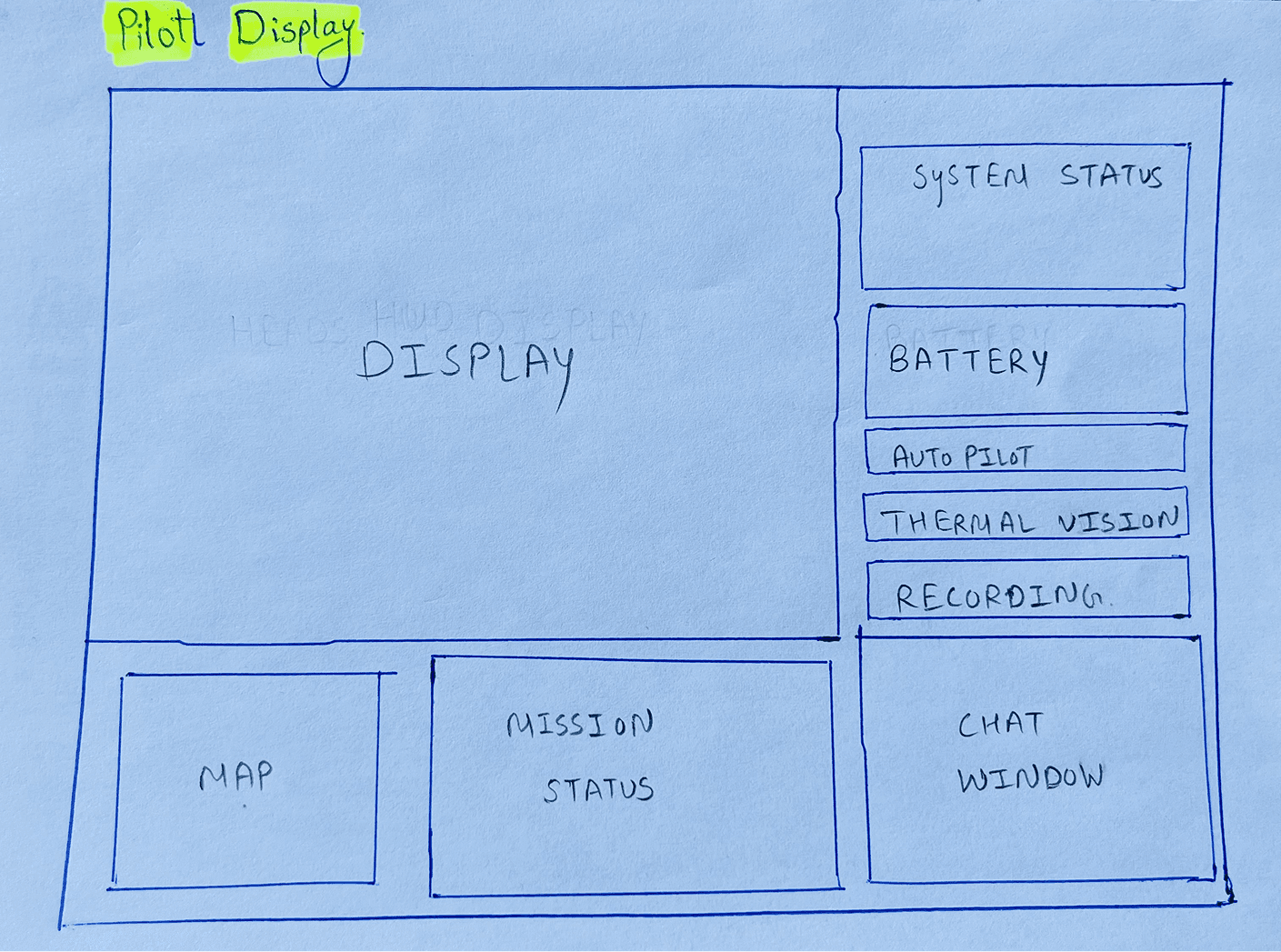
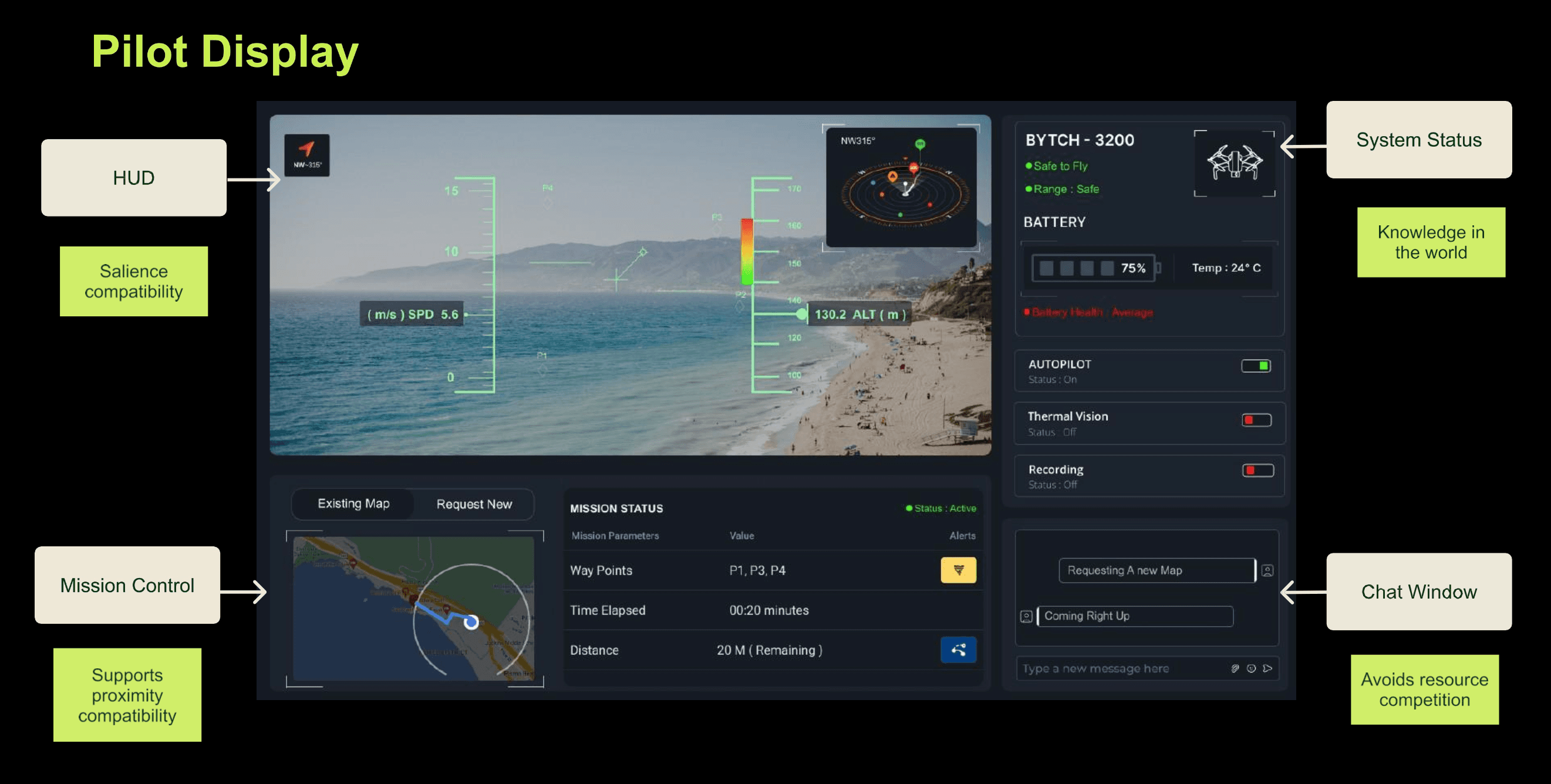
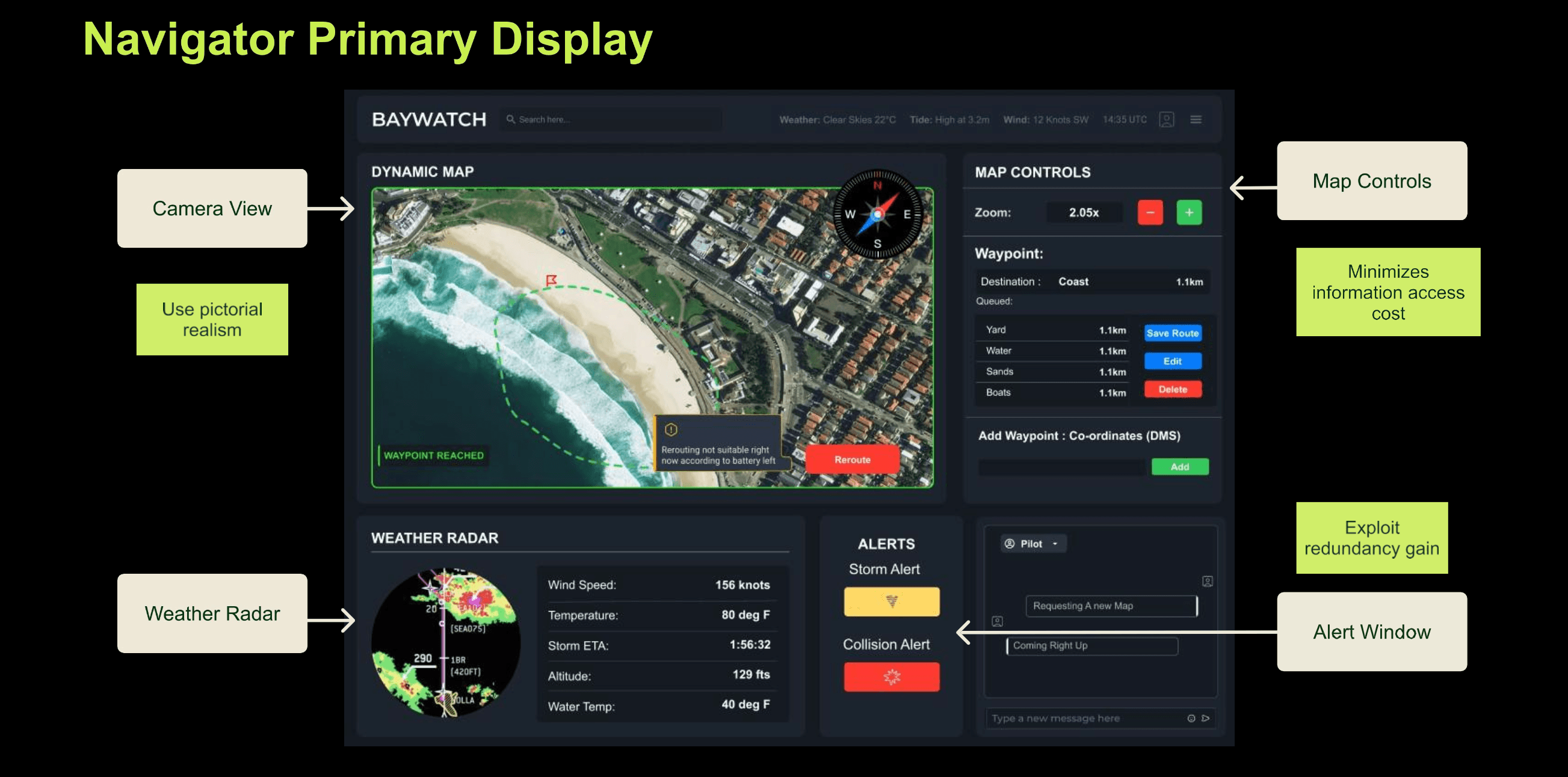
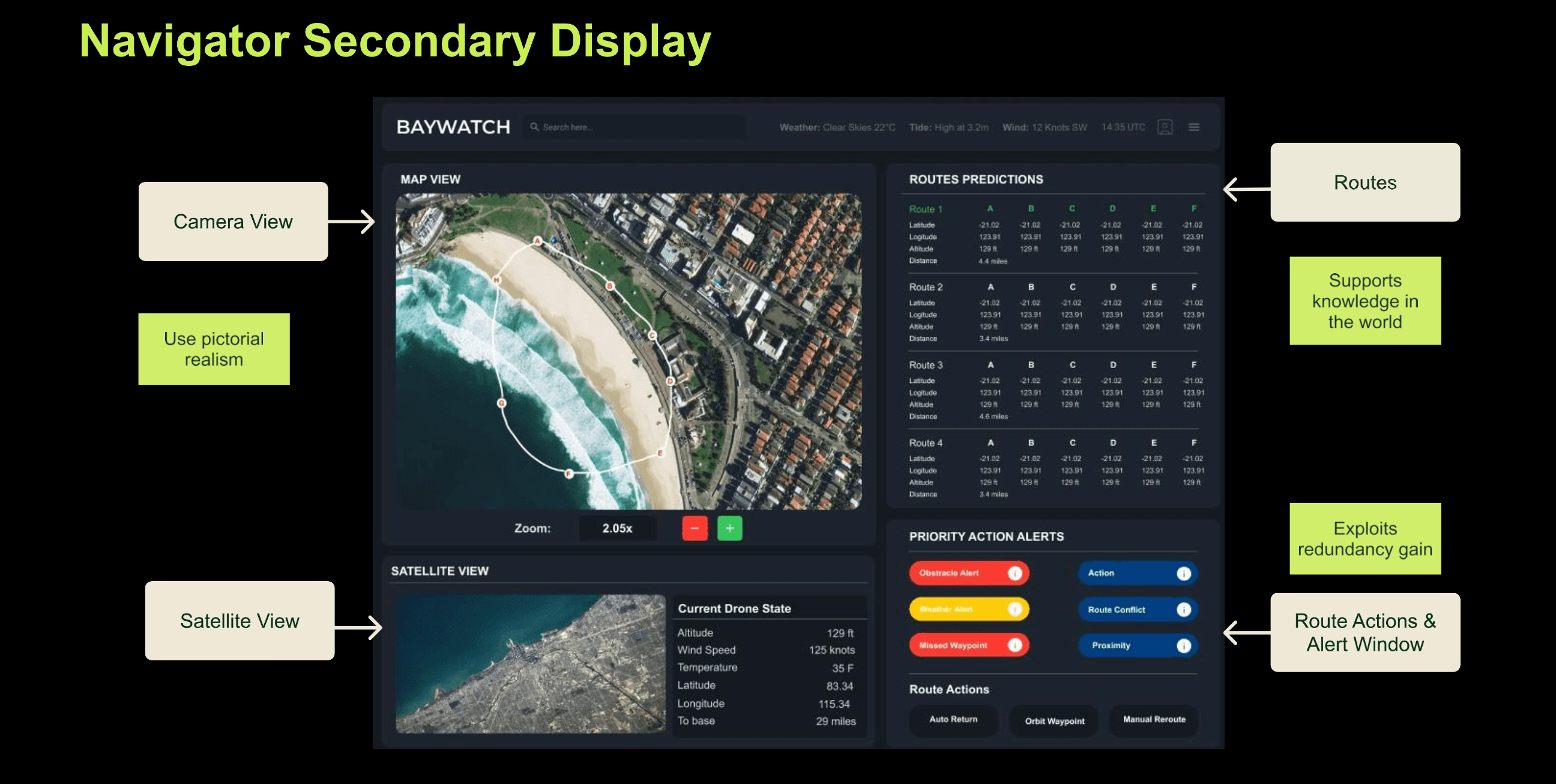
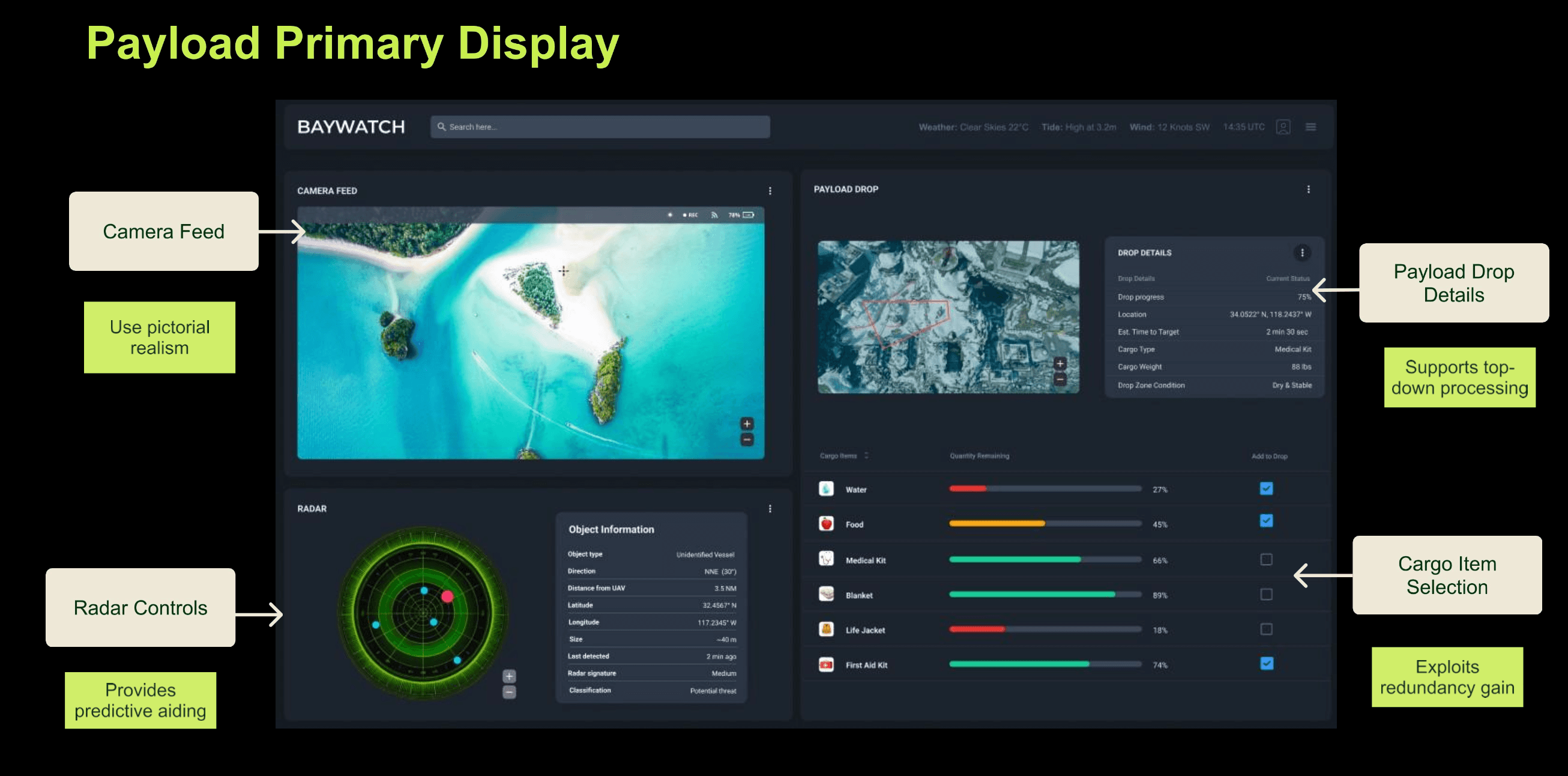
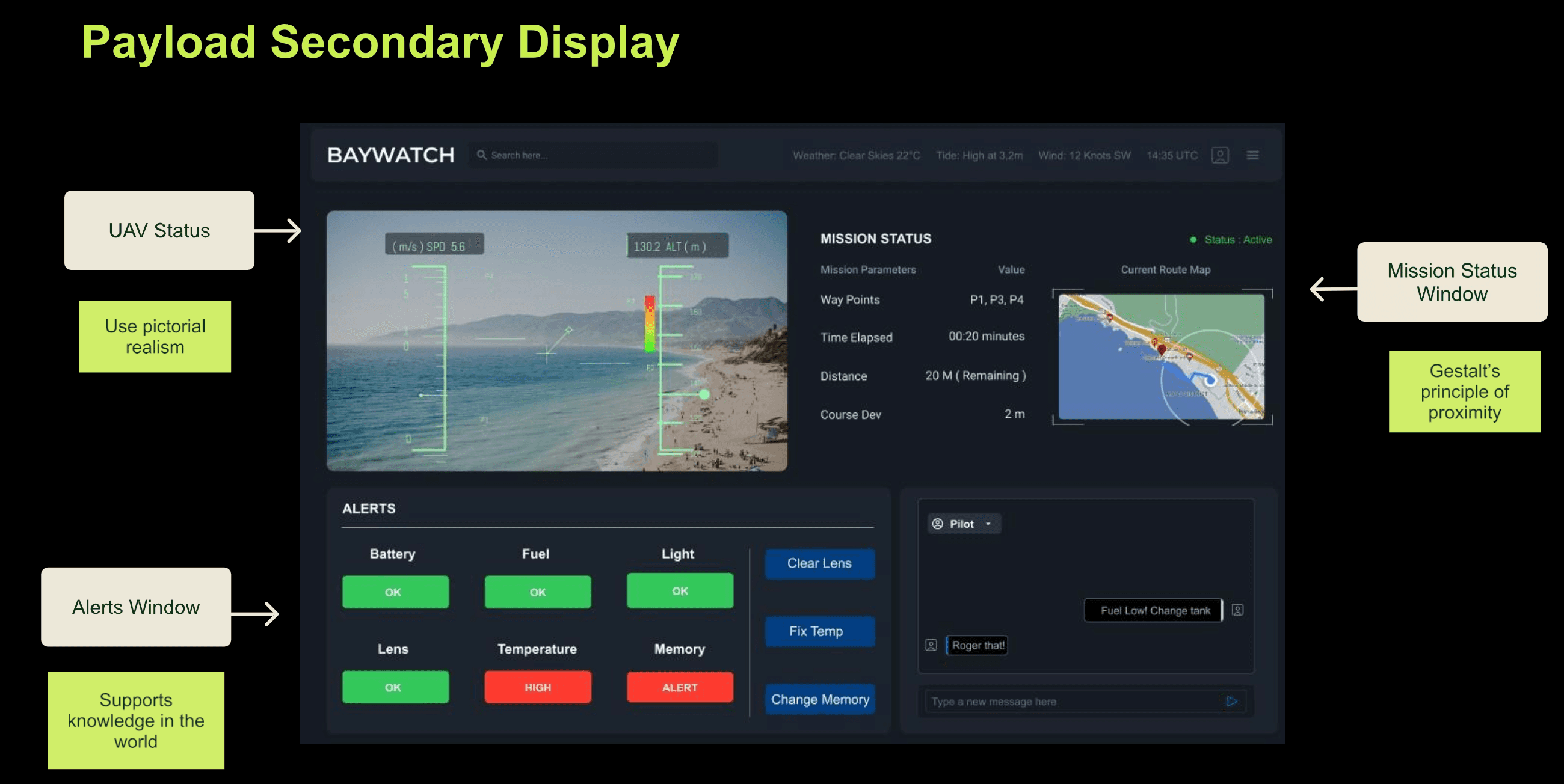
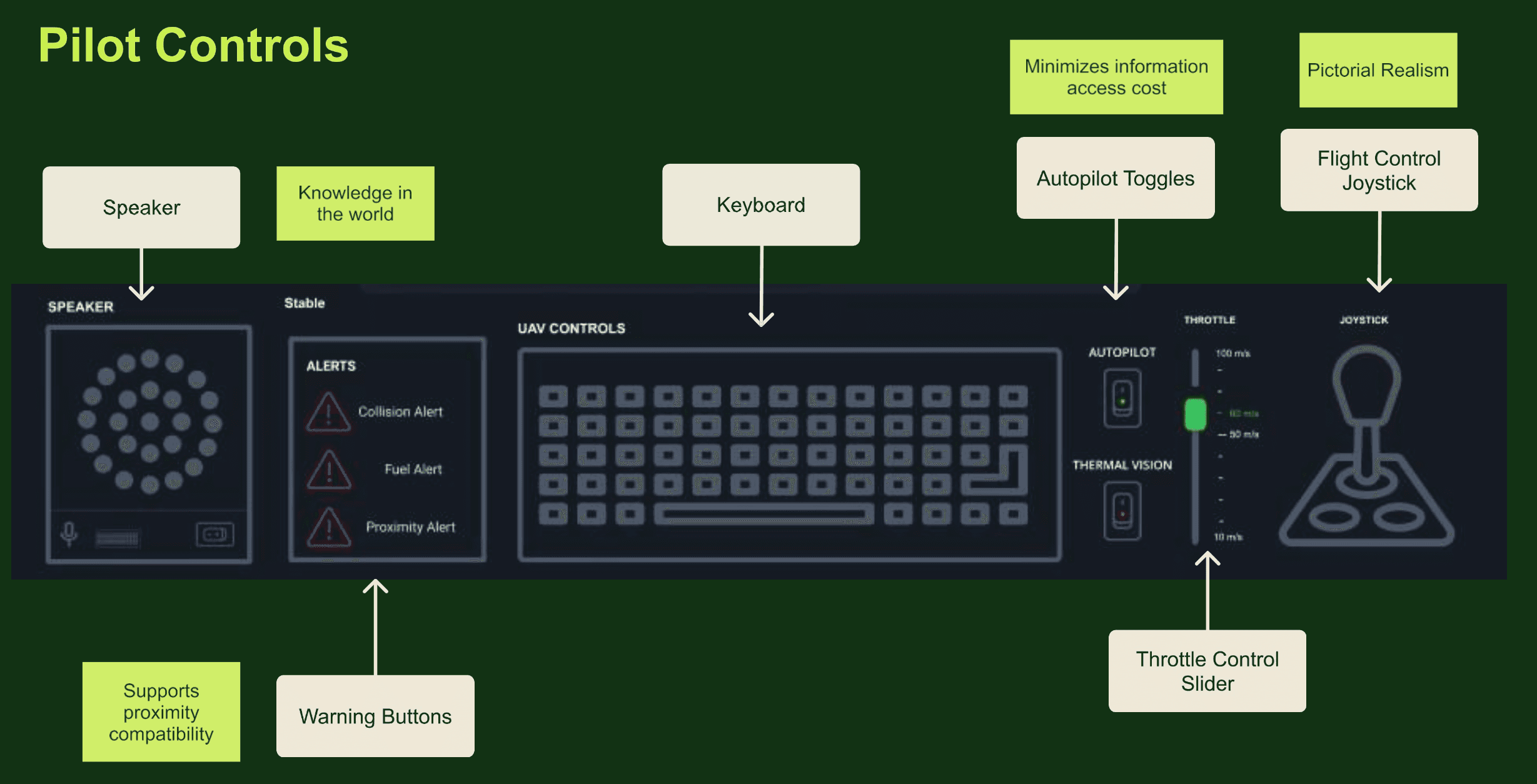
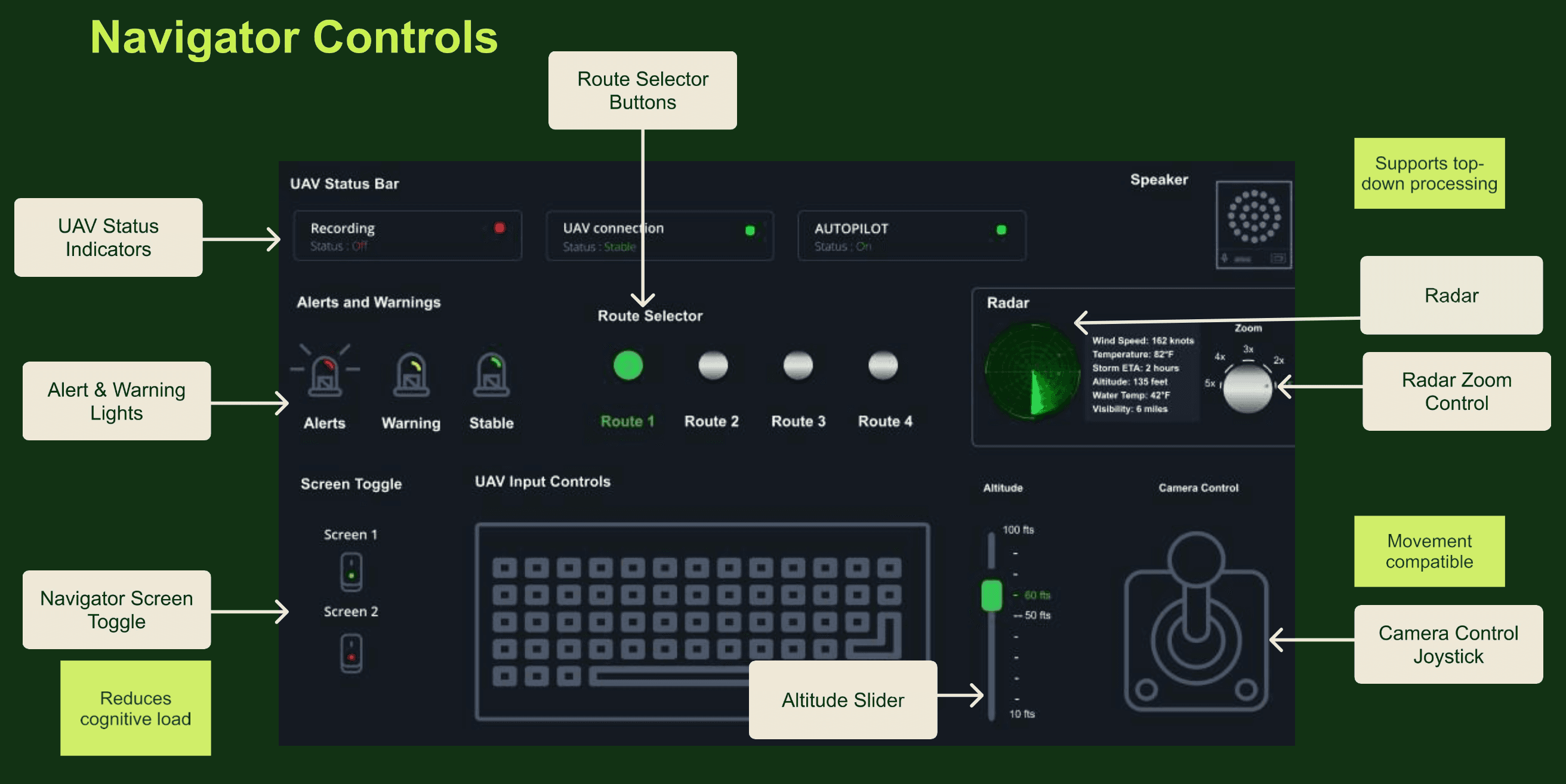
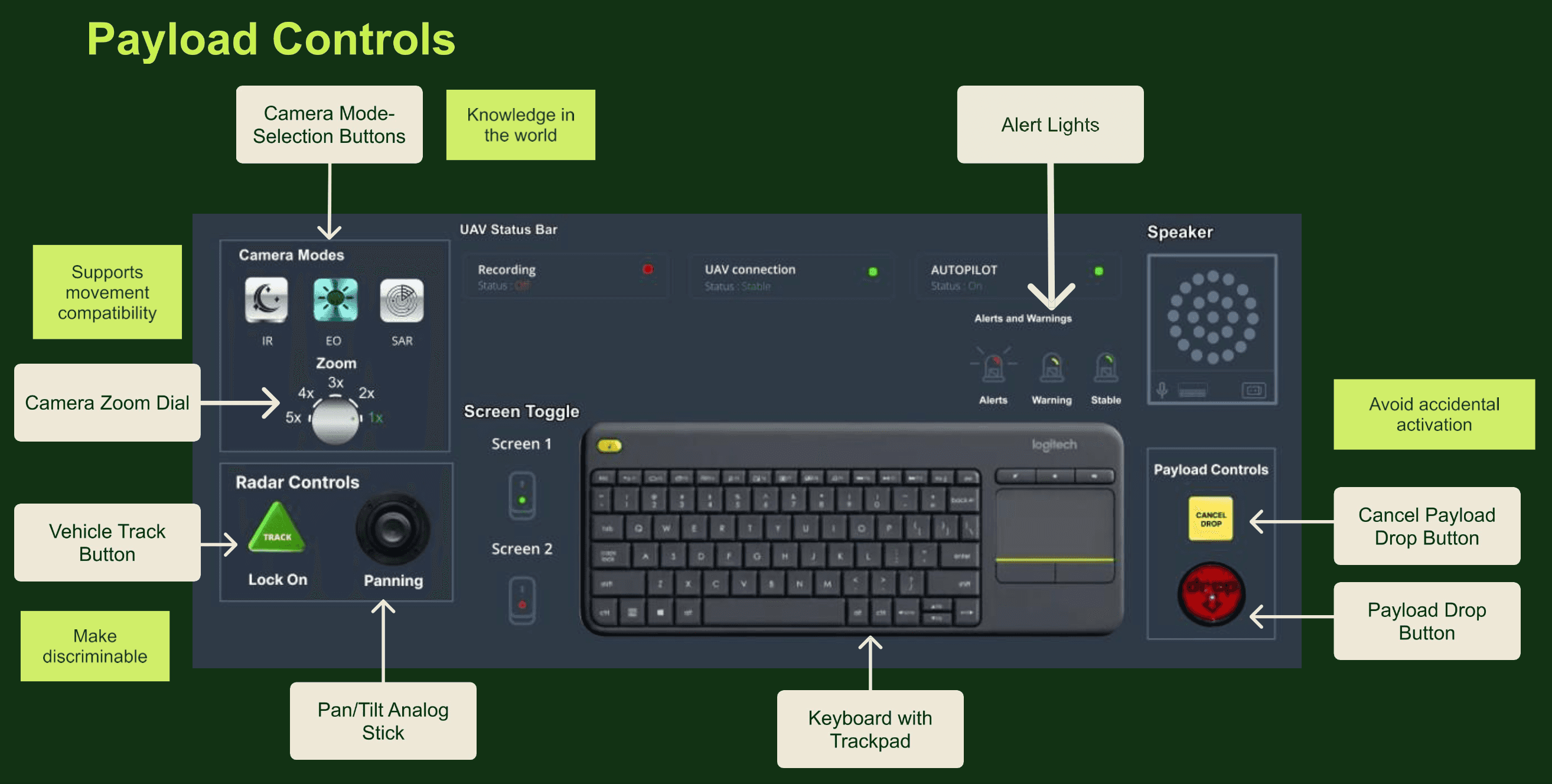
I created digital prototypes for the pilot's display, Navigator's display, and payload operator's display screens. These prototypes were iteratively refined based on feedback, starting with a single-screen pilot and evolving into configurations with two screens for the primary and secondary navigator, as well as two screens for the primary and secondary payload operator.
Display Design - Fifteen Principles of Display Design
Attention Based Principles(Salience compatibility, Minimize information access cost, Proximity compatibility, Avoid resource competition)
Perceptual Principles (Make displays legible (or audible), Avoid absolute judgment limits, Support top-down processing, Exploit redundancy gain, Make discriminable)
Memory Principles (Knowledge in the world, Support visual momentum, Provide predictive aiding, Be consistent)
Mental Model Principles (Principle of pictorial realism, Principle of the moving part)
Workspace Design - Anthropometric Data, Desk Design, Chair Design
Anthropometric measurements for
Seated Elbow Height: 11.36 inches for armrests and control panel placement.
Seated Eye Height: 27.86 inches for optimal display positioning.
Grip Diameter: 1.8 inches for joystick and control handle comfort.
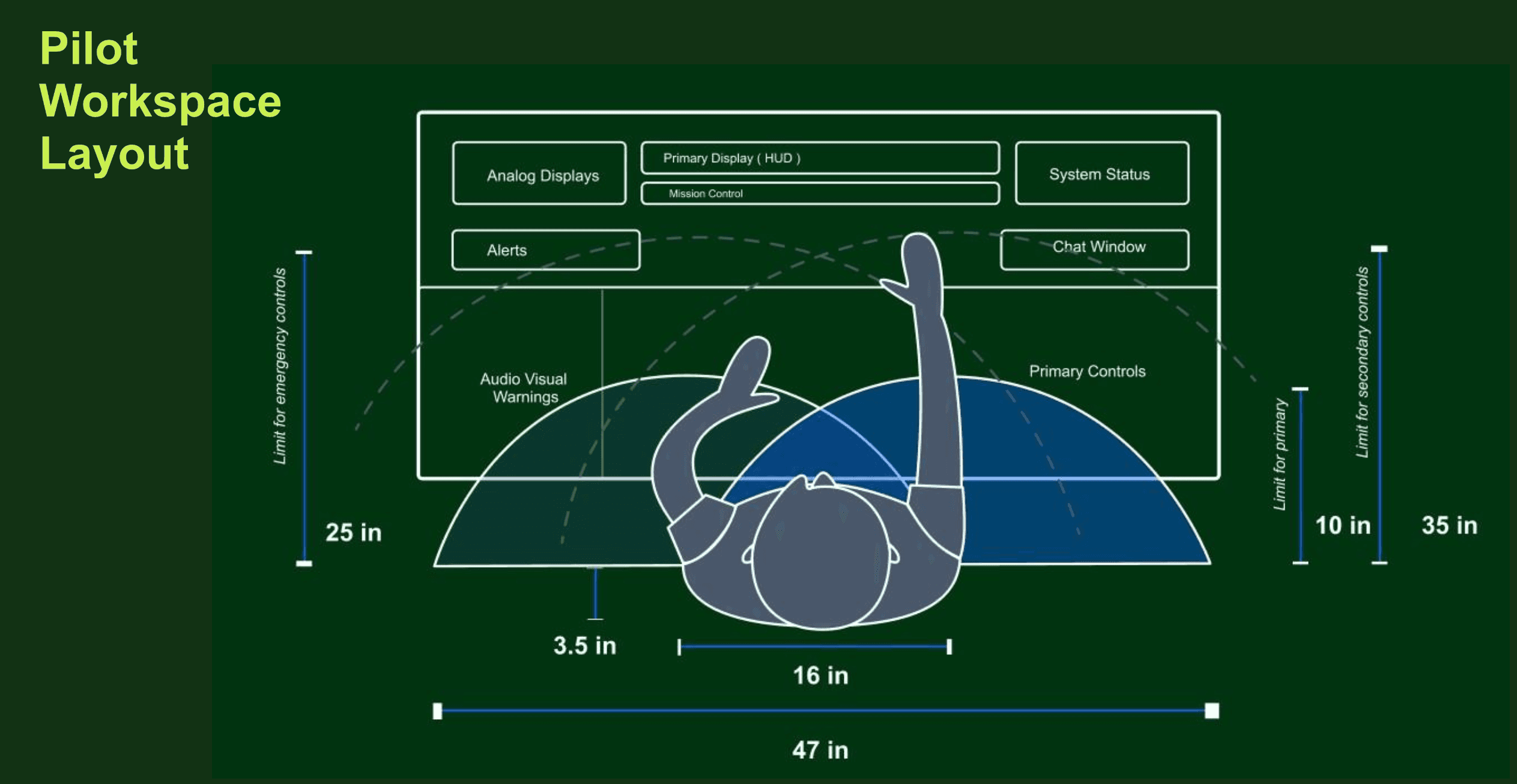
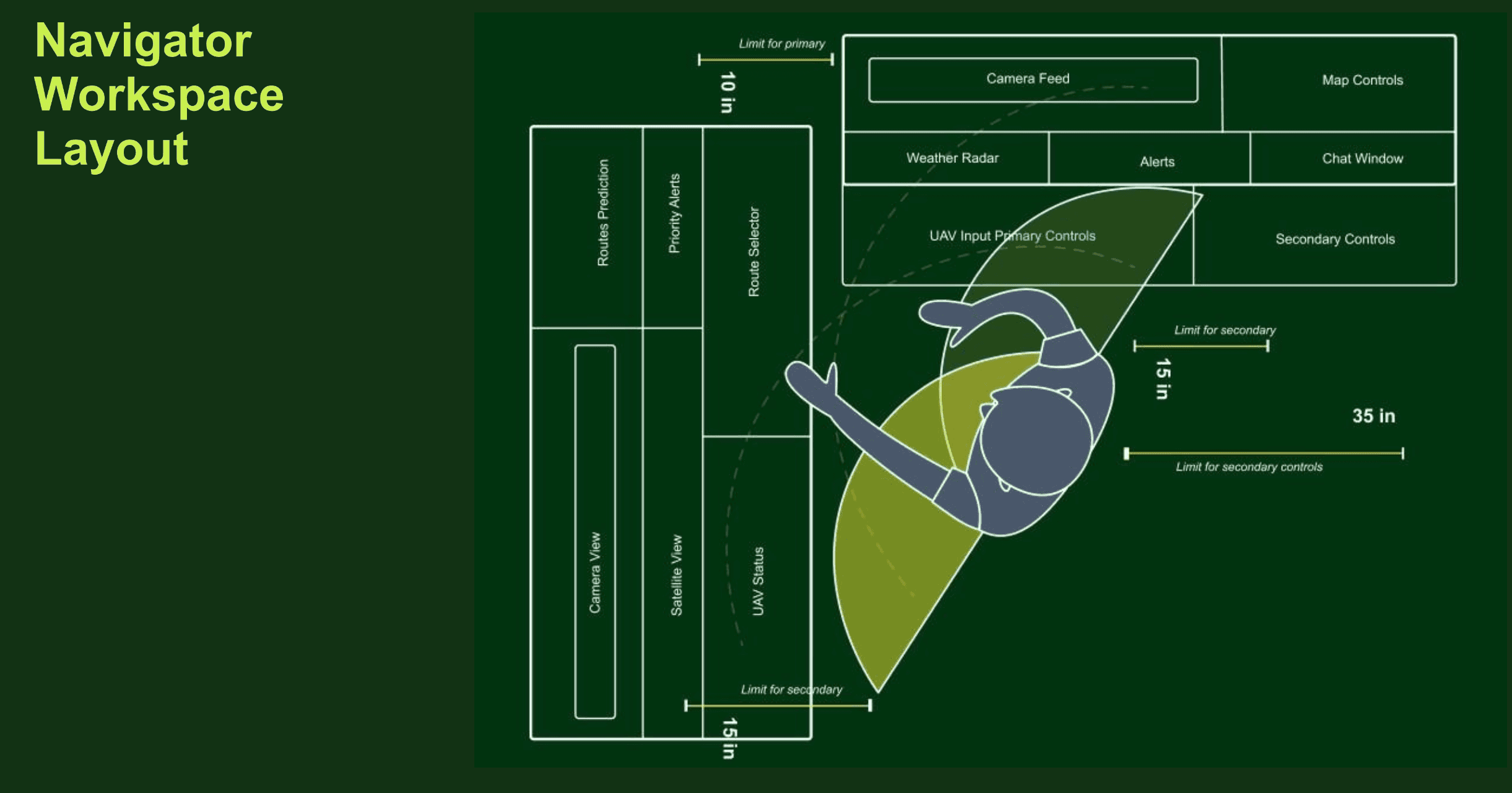
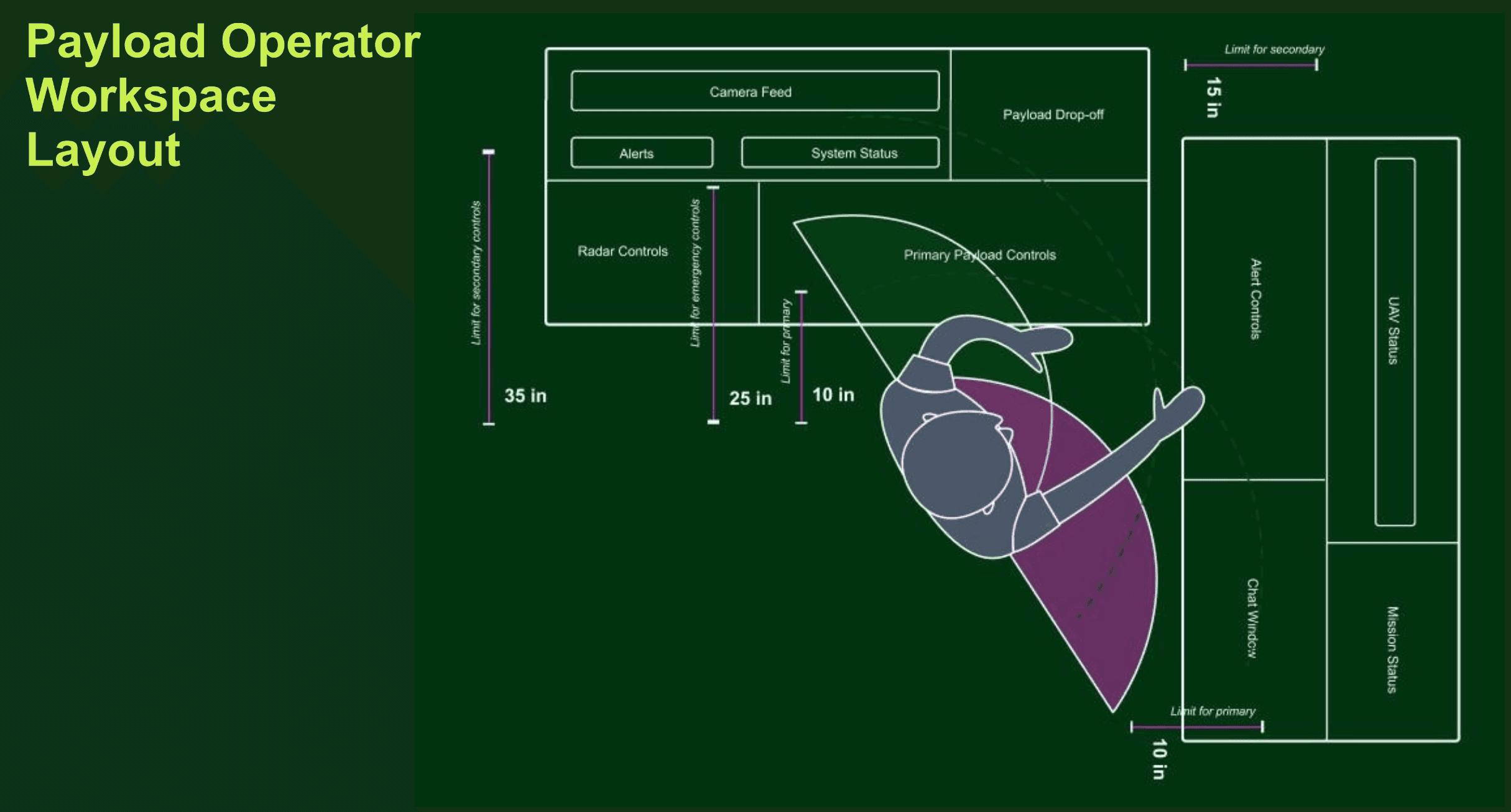
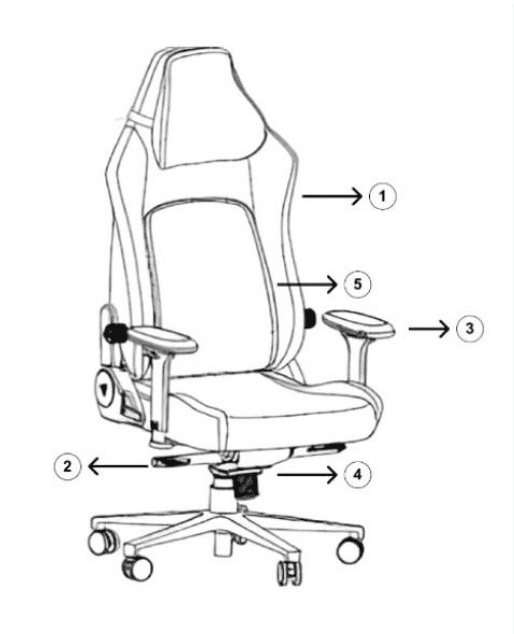
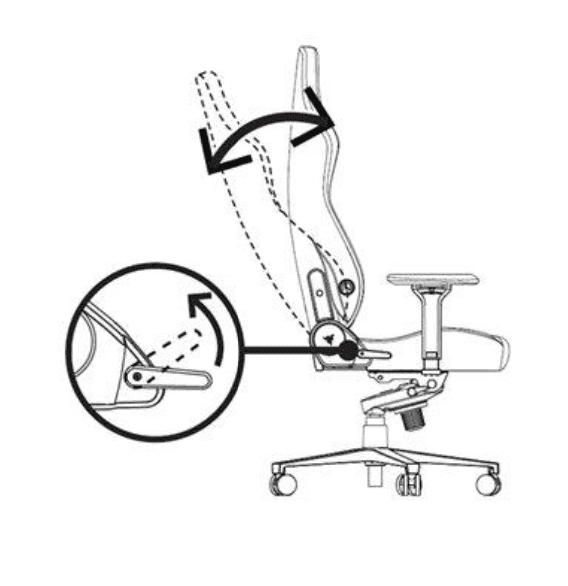
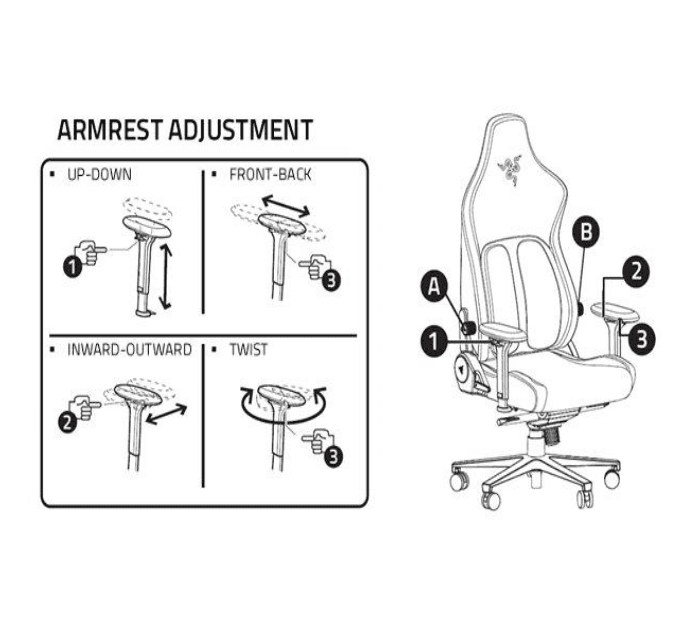
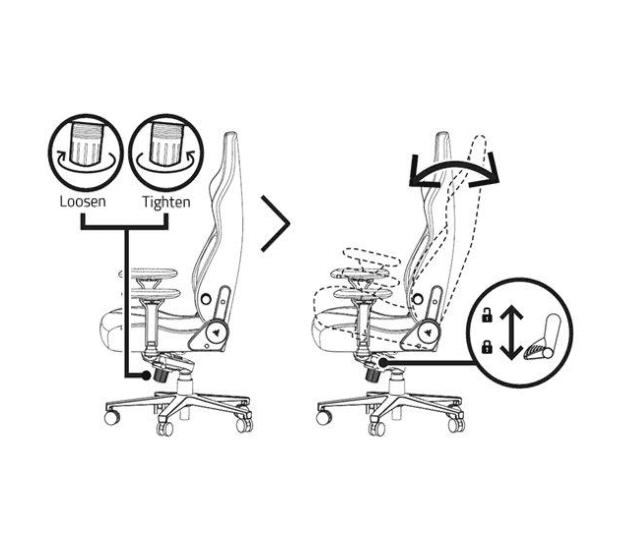
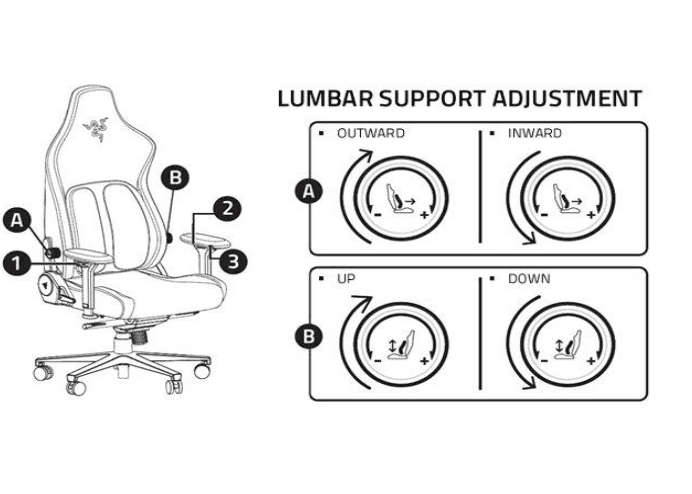
The chair was designed with several key features:
Adjustable Backrest (110°–120° inclination): Helps distribute body weight and reduce spinal pressure.
Adjustable Seat Height: Ensures proper leg posture and prevents circulation issues.
Padded, Adjustable Armrests: Reduce shoulder strain and support a neutral arm position.
Dynamic Seating System: Encourages small movements to prevent stiffness and cumulative trauma disorders (CTDs).
Lumbar Support: A 5 cm thick adjustable lumbar pad supports the natural curve of the spine, reducing lower back pain.
Work Schedule Design - Fatigue Management and Energy Expenditure
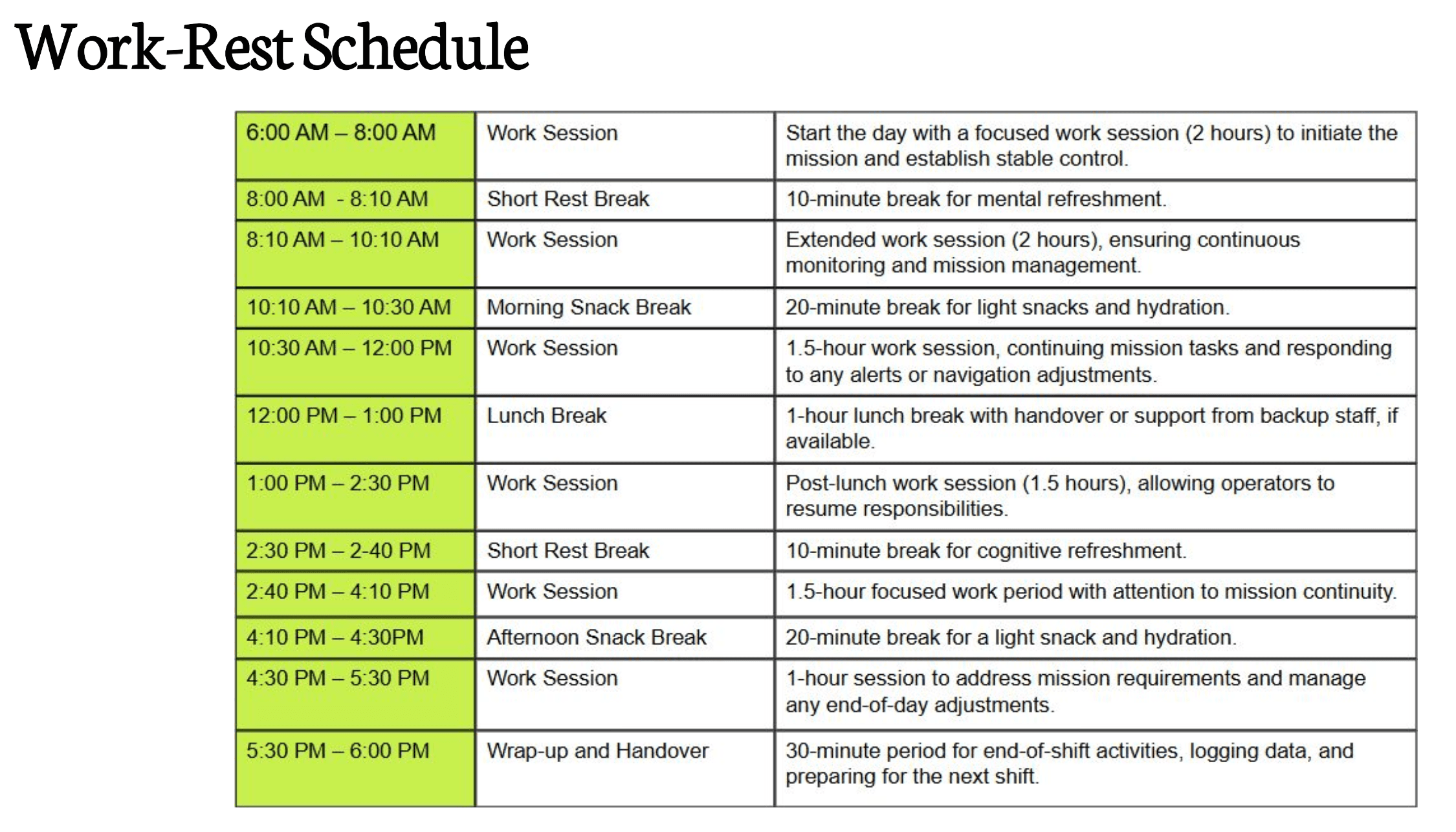
A structured work-rest schedule was developed based on the energy expenditure model for mental-task-focused roles. The schedule followed a 70:30 work-rest ratio (8.5 hours of work and 3.5 hours of breaks) to reduce cognitive fatigue. Strategic breaks every 1.5 to 2 hours helped operators maintain focus and recover mentally.
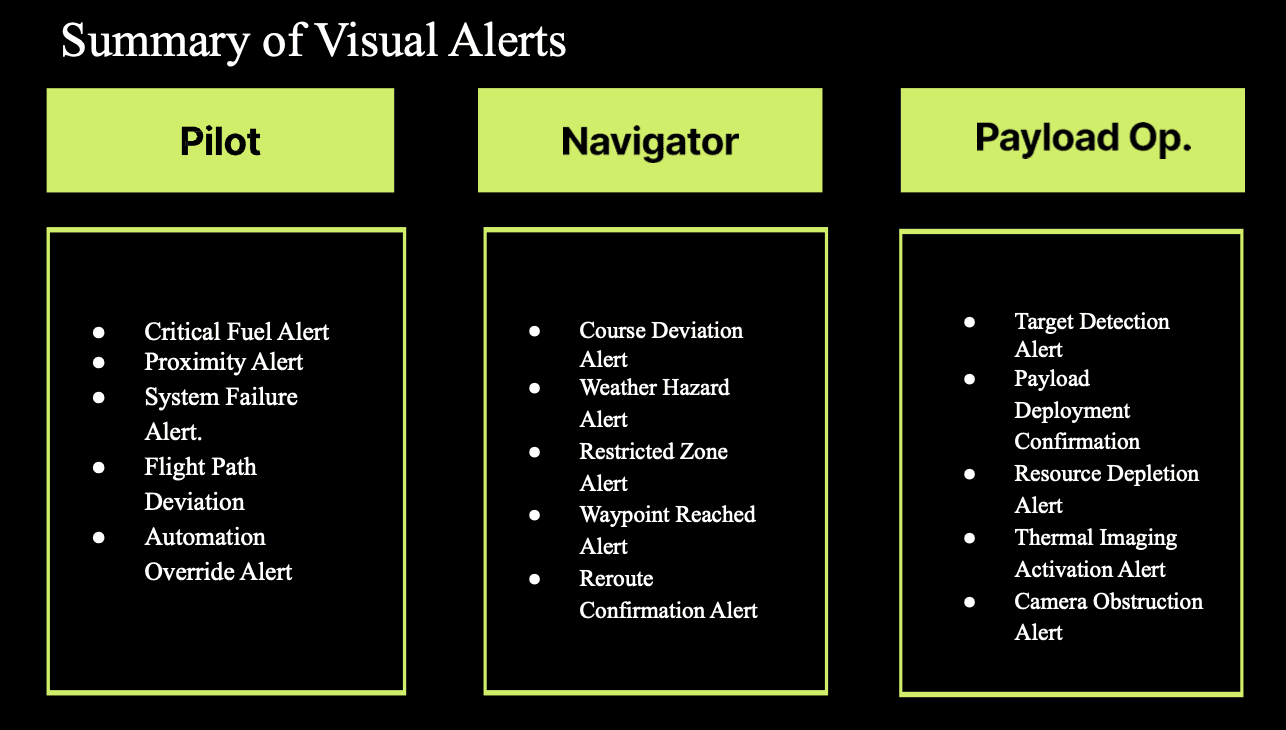
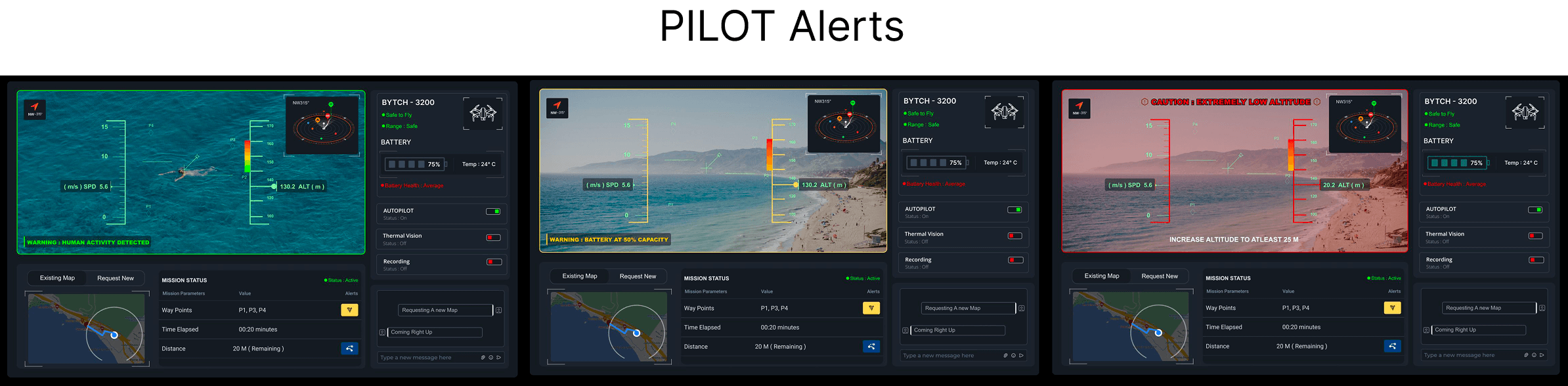
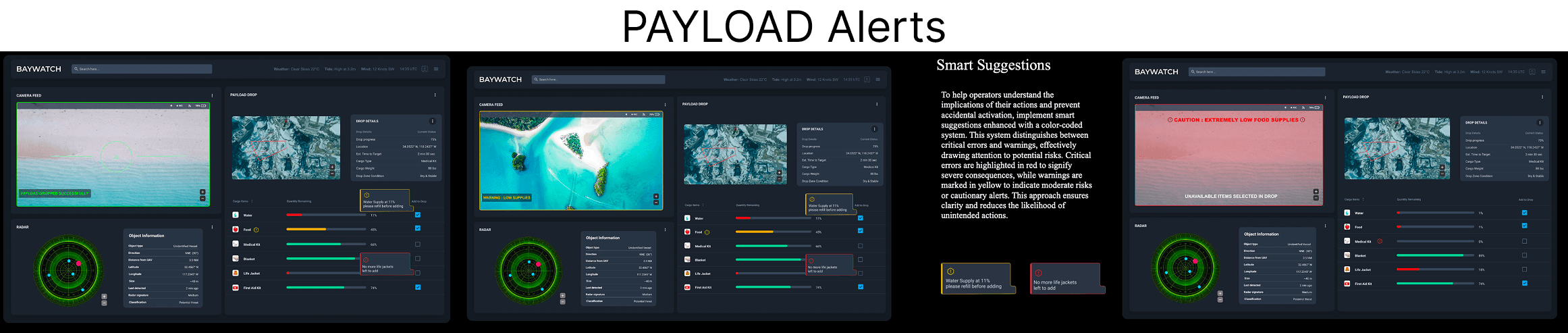
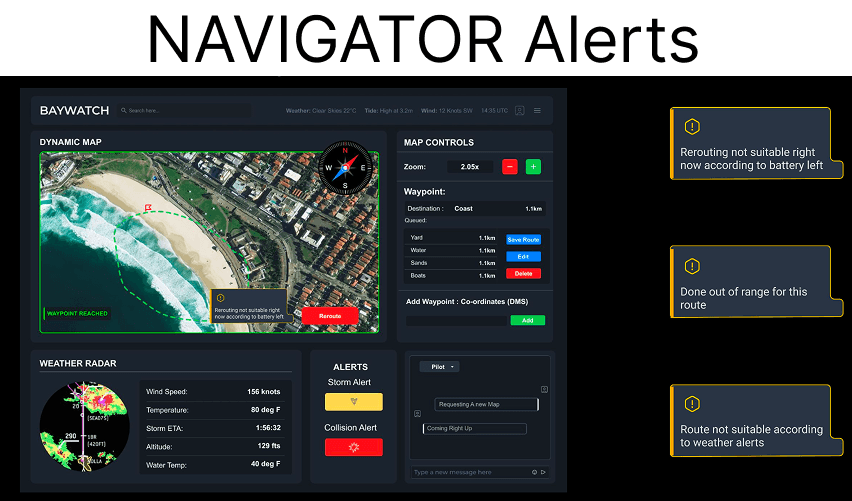
Visual Alerts
Implement color-coded alerts to effectively communicate alert status to operators, ensuring timely awareness and prompt action.
Caution alerts are prominently displayed on the main screen, accompanied by a color change to red/green/yellow (Depending on priority) and an auditory warning to grab attention.
The alert includes:
An error message displayed at the top of the screen, clearly stating the issue.
An actionable suggestion at the bottom, guiding operators on the necessary steps to resolve the problem.